Penang enters 2026 as the primary driver of Malaysia’s electrical and electronics sector, supported by a dense network of multinational corporations and a strong role in national exports, according to Penang Institute’s Penang Economic Outlook 2026. The same summary frames the year ahead as “cautiously steady growth”, tied to deep industrial clustering and a global semiconductor recovery, even as geopolitical conflict between the United States and China continues to reshape supply chains. That positioning matters because Penang’s broader economy is being built to support an export-driven technology node, not a single factory story. Penang Institute also notes that Penang contributed 7.6% of Malaysia’s total GDP in 2024, the latest available data cited in the report.
Across Malaysia, market-level indicators point to a larger runway that Penang can capture. Mordor Intelligence estimates the Malaysia semiconductor market reached USD 10.85 billion in 2025 and projects it to reach USD 16.51 billion by 2030, implying an 8.76% CAGR. In the same outlook, integrated circuits led with 71.40% of Malaysia’s semiconductor market share in 2024, while design and fabless vendors are projected to grow at a 9.88% CAGR through 2030. For decision-makers tracking Malaysia Penang semiconductor investment, these splits help explain why “moving up the value chain” is increasingly described in terms of capability mix: maintaining scale in core output while pushing into design-oriented and higher-growth segments.
From Back-End Strength to Higher-Value Functions
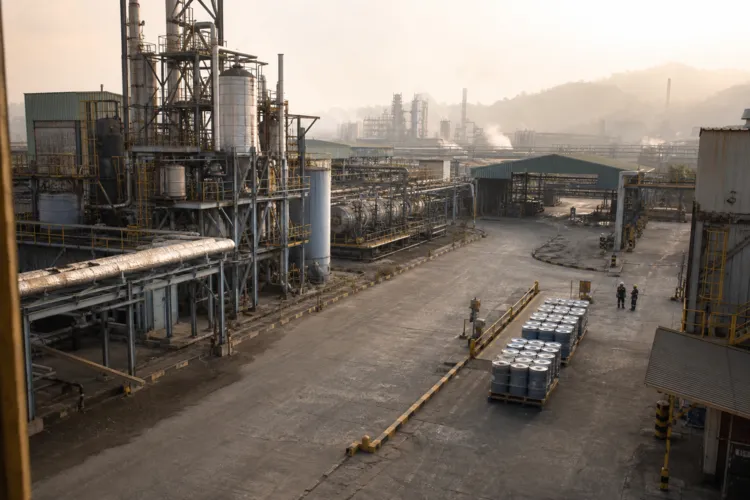
Penang’s rise still leans heavily on back-end operations, and the scale is significant in global context. The Straits Times reports that the lion’s share of Malaysia’s semiconductor sector serves back-end operations such as packaging and testing, giving the country an estimated one-eighth share of the global semiconductor supply chain, with most of these players based in Penang. In 2026, the same report links a boom in Penang to an AI-driven memory chip shortage and notes that orders reached RM250 million as at mid-2026 due to the AI boom. It also says some consumer-grade RAM and other storage devices in Malaysia more than doubled in cost in 2026 from a year earlier, with computer and smartphone prices rising by as much as 50%.
At the same time, Malaysia’s path upward is being reinforced by policy and global trade pull-through, and Penang is repeatedly cited as a destination for more advanced work. Mordor Intelligence describes a decade-long RM25 billion National Semiconductor Strategy and says it helped spur over RM1 trillion in committed spending from 2021 to mid-2024, within an incentive environment that includes tax holidays and fast-track licensing. A separate Mordor Intelligence foundry report says global supply-chain realignment continues to steer advanced packaging and final test toward Penang and Kulim, keeping average fab utilization above 85% in 2025. It also states Malaysia became the single largest source of U.S. chip assembly imports in 2023, with export value to the United States up 12.1% in early 2024.
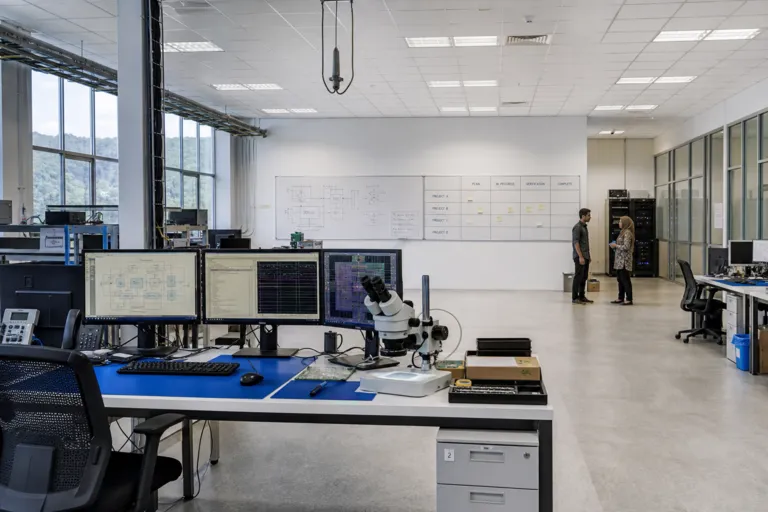
Climbing the value chain also depends on whether the ecosystem can produce and retain higher-end skills, not just expand floor space. Penang Institute highlights that the global business services sector is shifting from transactional operations toward higher-value functions such as AI-driven analytics, R&D, and IC design, leveraging Penang’s engineering and semiconductor roots. Reuters adds that the evolution in Malaysia’s semiconductor sector is occurring across the entire value chain, including integrated circuit design and state-of-the-art manufacturing, and it points to Penang-based Infinecs as a leader in Malaysia’s growing semiconductor design industry, with services including IC/SoC design and embedded system development. Together, these signals frame 2026 as a year where Penang’s semiconductor narrative is as much about capability depth as it is about output.
Why is Penang central to Malaysia’s semiconductor climb in 2026?
What numbers show Malaysia’s semiconductor market trajectory beyond 2025?
How is AI influencing Penang’s chip activity in 2026?
What do the sources say about Malaysia’s trade pull-through into advanced work?
How are Malaysia and Penang shaping semiconductor investment decisions in 2026?