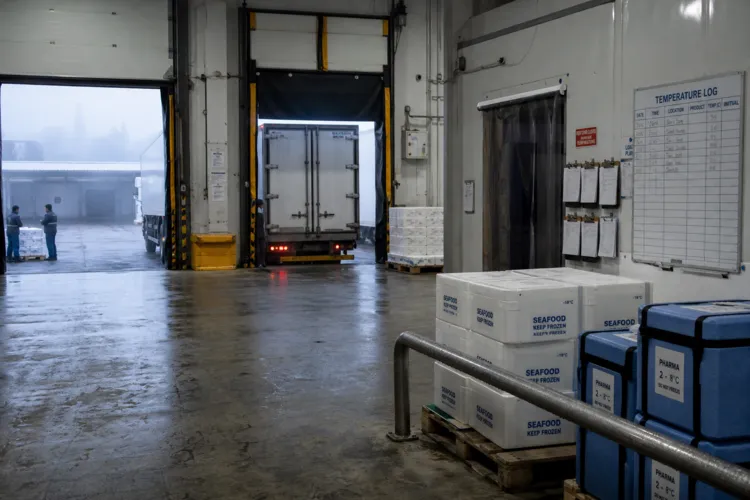
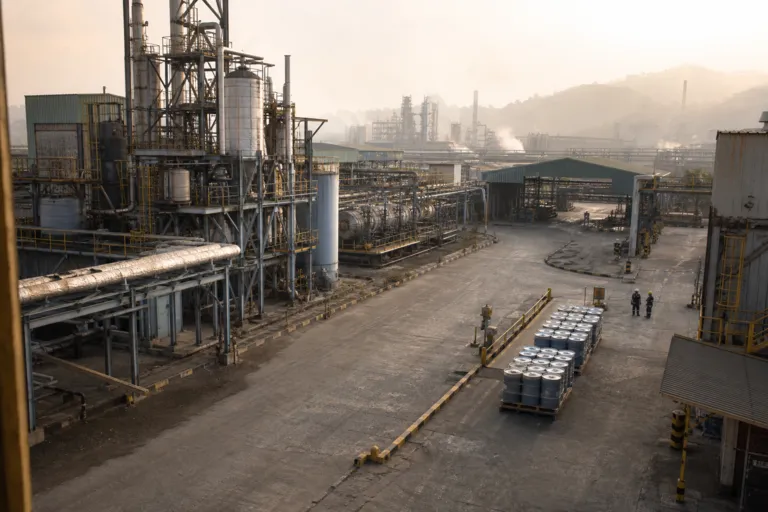
The Philippines is trying to turn nickel from a raw-export story into a battery-supply-chain opportunity. The Philippine Nickel Industry Association (PNIA) says members produced 37.81 million dry metric tons in 2025, or 73% of the country’s total output. Yet the country still largely operates as a “raw ore tap” for China, even as Manila positions itself as an alternative supplier for international markets that want to diversify away from a handful of dominant sources. This is the core tension behind Philippines nickel downstream processing: keeping mining activity while finding ways to climb toward refining and battery materials, where each step up the chain adds value.
Export concentration is shifting, but it remains a central issue. MineralPrices.com reports that China took 66% of Philippine nickel exports in the last calendar year, down from 78% in 2024, as regional neighbors took more Philippine ore for their own processing hubs. That shift matters because it highlights who captures the value added. It also underlines what The Manila Times describes as the country’s current position: the Philippines works near the bottom of the chain, digging ore and sending it away, while refiners and manufacturers elsewhere turn purified metals into battery materials, cells, and packs.
Why Moving Up the Value Chain Is Getting Urgent
Resource timelines are one reason the debate is intensifying. MineralPrices.com cites a reserves-to-production ratio of only 15 years left for the Philippines at current extraction rates, compared with a world average of 38 years. The same source contrasts this with Canada’s 218-year horizon and Indonesia’s 25-year ratio. At the same time, Palawan News figures cited by MineralPrices.com put the Philippines at 4.8 million tonnes of proven pure reserves valued at roughly USD 170 billion. The potential is sizable, but the time pressure strengthens arguments to maximize the value of each tonne mined through more local upgrading, instead of exporting low-value material.
The country’s mining footprint also has clear geographic anchors. MineralPrices.com points to the Caraga region and Palawan as the heart of the opportunity. Caraga hosts 23 nickel mines across Surigao del Norte, Surigao del Sur, and the Dinagat Islands. In Palawan, Rio Tuba has been active since 1969 and holds wet reserves of 60.2 million metric tonnes. These clusters matter for industrial planning because refining and precursor plants often follow the ore. But scaling processing is not just about geology; it depends on capital, power costs, and the ability to produce higher-purity outputs that battery supply chains require.
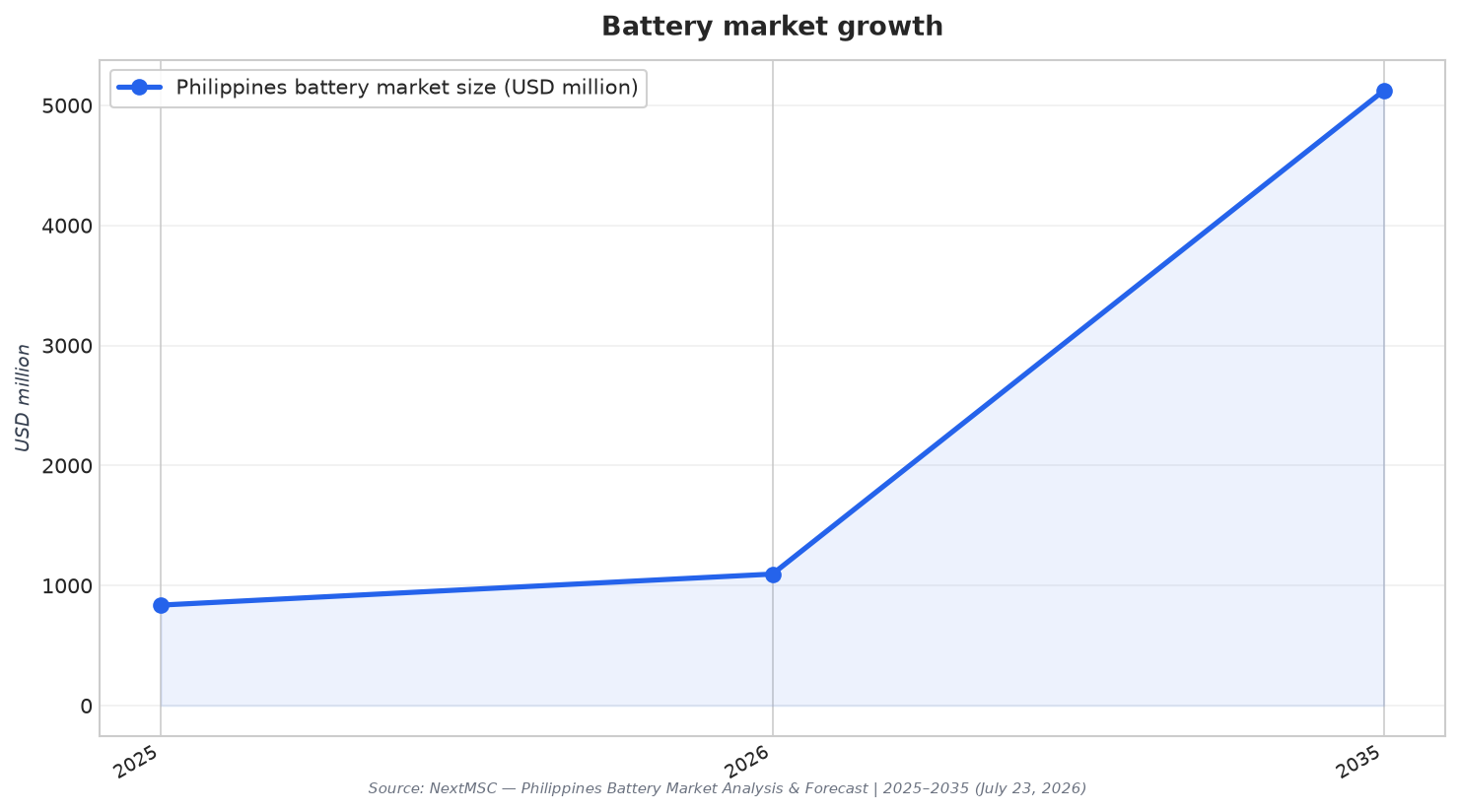
That purity gap is a recurring theme. The Manila Times reports that the Philippines exports nickel in two forms: raw ore and a partly purified product from two high-pressure acid leaching (HPAL) plants. Even that output is “not battery grade” and needs further refinement after export, according to Jose Bienvenido Manuel Biona of EVAP, who also emphasized that heavy purification consumes energy. Meanwhile, domestic demand signals are strengthening: NextMSC values the Philippines Battery Market at USD 837.10 million in 2025 and USD 1,095.55 million by 2026, projecting USD 5,122.69 million by 2035. NextMSC also reports 25.02 million units in 2025, forecast at 36.99 million in 2026 and 262.14 million by 2035, reflecting CAGRs of 18.69% (value) and 24.31% (volume) from 2026 to 2035.
What is driving the Philippines to pursue more nickel downstream processing?
How much nickel did PNIA members produce in 2025?
How concentrated are Philippine nickel exports to China?
Does the Philippines already export battery-grade nickel?
What is the outlook for the Philippines battery market mentioned in the sources?