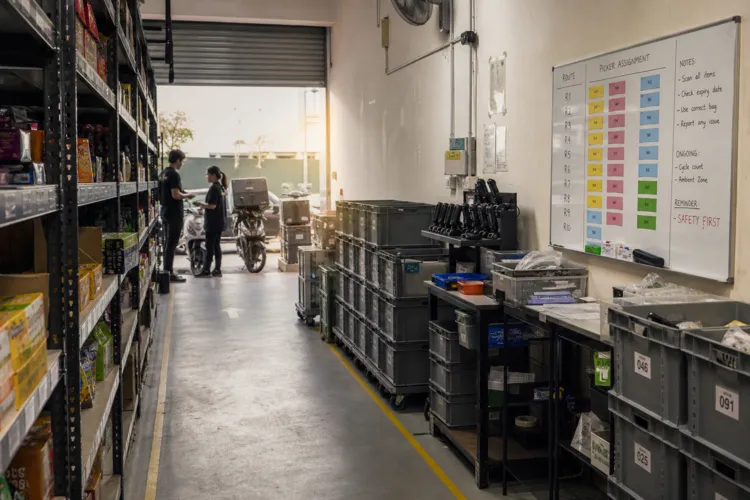
Choosing a distributor in ASEAN is not just a contact search. It is a risk-control process. Many foreign manufacturers start with global B2B databases, then wonder why coverage feels thin. One reason is structural: many distributors operate in Bahasa, Thai, or Vietnamese, and some run without English websites or visible LinkedIn footprints. That is why Southeast Asia B2B distributor selection needs a method that matches the region’s operating reality, including language and on-the-ground execution. A good distributor becomes critical when you need local logistics capability, supply chain management, and long-term relationships with buying departments, especially in scale expansion phases.
Begin by building a shortlist from primary sources, not just web presence. Public government registries can surface real entities and decision-makers, including company names, director names, registered addresses, and other corporate details. Examples include ACRA in Singapore, SSM in Malaysia, DBD in Thailand, AHU Online in Indonesia, and Vietnam’s National Business Registration Portal. This approach also forces clarity on your target profile. For instance, you can filter by country, industry scope, and minimum active years before you ever schedule a call. This helps when secondary research data is limited and when language complexity is a practical barrier across markets with many languages in use.
A Distributor Vetting Checklist That Reduces Costly Mismatches
Validate “proof of distribution” using trade data where possible. Trade-data tools can help you identify the largest distributors, analyze competitor networks, and shortlist partners based on physical trade volume. One practical filter is to review a company’s early shipments into a country and look for the “Consignee,” which is often the local distributor who helped execute that market entry. This can produce a pre-vetted list of entry-specialist partners in your product category. Then pressure-test fit. Some distributors struggle to validate market demand for highly customizable products, which can lead to prolonged inventory and failure to reach target end customers when demand verification is not truly done.
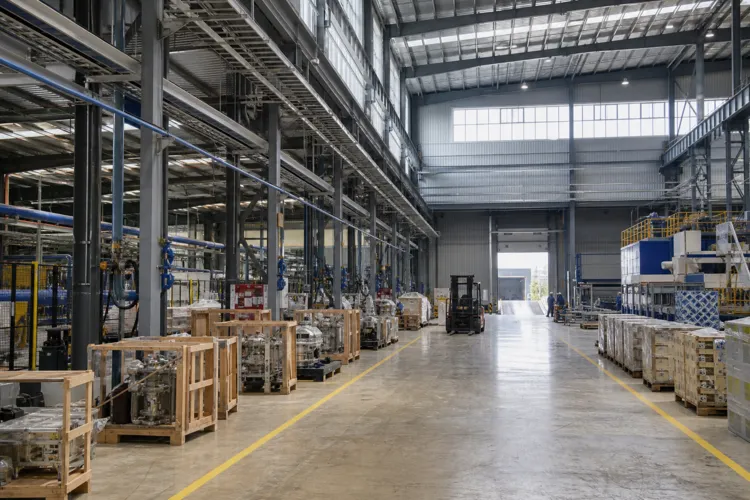
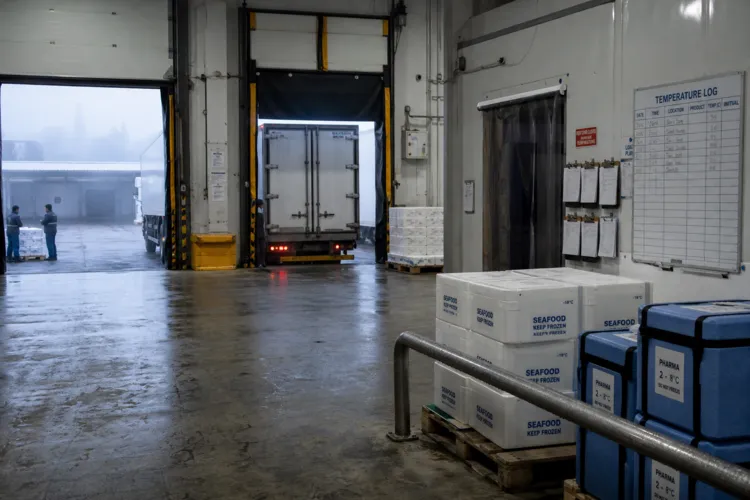
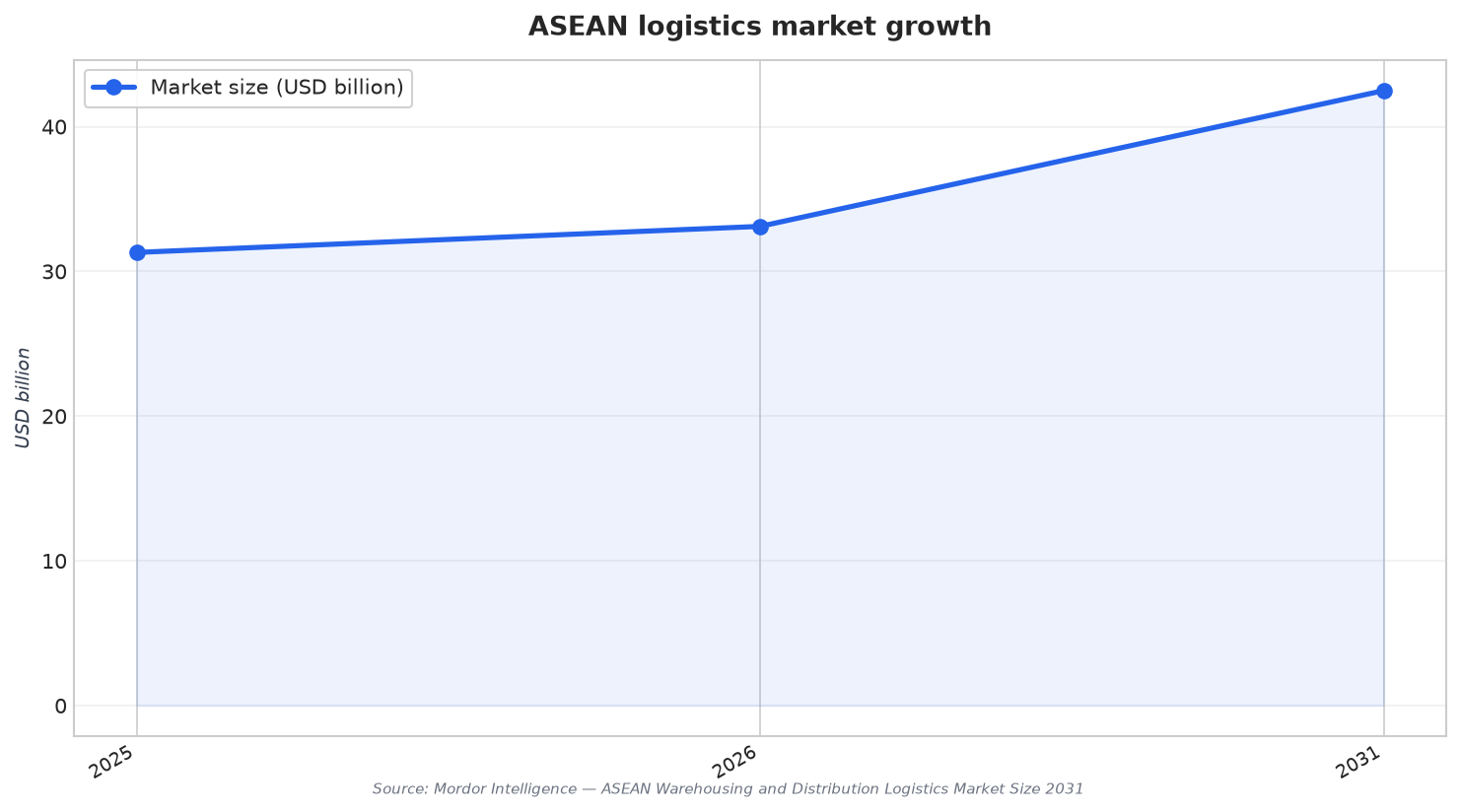
Next, vet operational capability against the logistics environment you are entering. ASEAN’s warehousing and distribution logistics market is sized at USD 33.11 billion in 2026, and it is forecast to reach USD 42.49 billion by 2031 at a 5.11% CAGR (2026–2031). This is a useful context check: your distributor should either have warehousing strength or have credible access to it. The same report notes USD 239 billion in manufacturing FDI during 2024 across Vietnam, Thailand, and Indonesia, supporting multi-country inventory pools. It also cites that centralized regional distribution centers equipped for customs bonding and light kitting can reduce total holding costs by 20–30% while keeping 48-hour delivery promises across ASEAN.
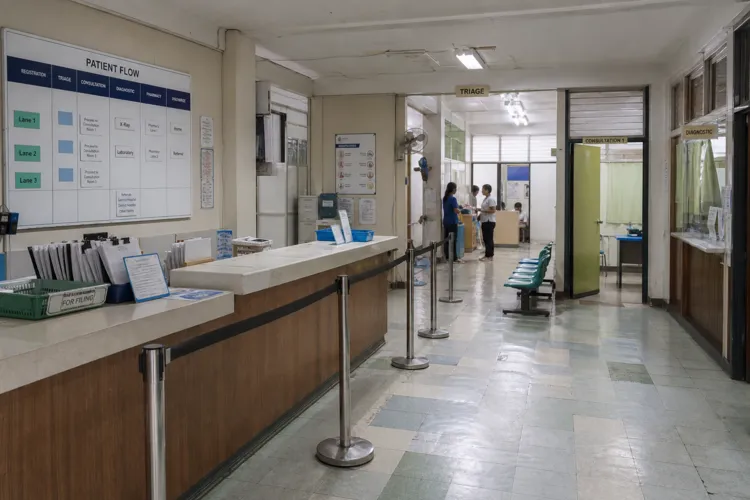
Finally, run a localization and execution audit before you sign. Product and packaging adaptation is often required, including local-language labels in markets such as Vietnam, Thailand, and Indonesia, and mandatory Chinese-language labels with specific content in China. Ask the distributor how they handle translation, registration, and retailer onboarding in the local language, and whether they can support modern trade and e-commerce channels where relevant. Also plan your process around real scheduling constraints. Fieldwork and meetings can be disrupted by heavy rains and typhoons between May and October, and by major religious holidays and prayer times in several ASEAN countries. A distributor that can execute through these realities is often more valuable than one with a glossy pitch deck.
How should foreign manufacturers approach Southeast Asia B2B distributor selection in practice?
Why do global B2B databases miss many Southeast Asian distributors?
Which government registries can help identify distributors in ASEAN markets?
What logistics market signals should I use when vetting an ASEAN distributor?
What is one common failure mode when using distributors for market entry?